“My badge had never opened this door before. Why tonight?”Mark R. Jensen · night shift · Denver International Airport
Mark fixed what broke on the night shift at Denver’s airport for over a decade. One night his badge opened a door it never had before, and he saw what was on the other side. Three weeks after he told his story, his phone was disconnected and his apartment was empty.
The notes he left lead through eleven chapters of real mysteries: the blue horse that killed its maker, the novel that sank the Titanic fourteen years early, the whistleblowers who paid for what they knew, the bunker under a luxury hotel. The characters are invented. The facts are real, and each one comes with a source you can scan.
No sign-up. About 25 minutes of reading. Chapter 2 ends with the last phone call Mark ever made.
Prologue
The Door Beneath
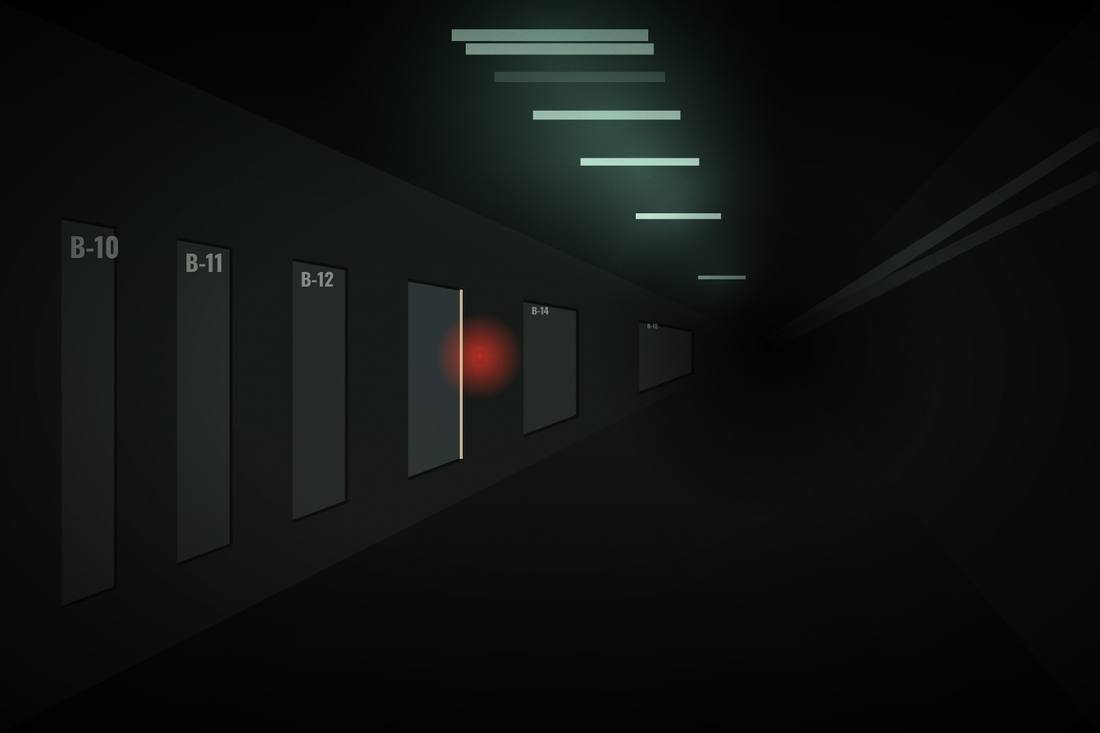
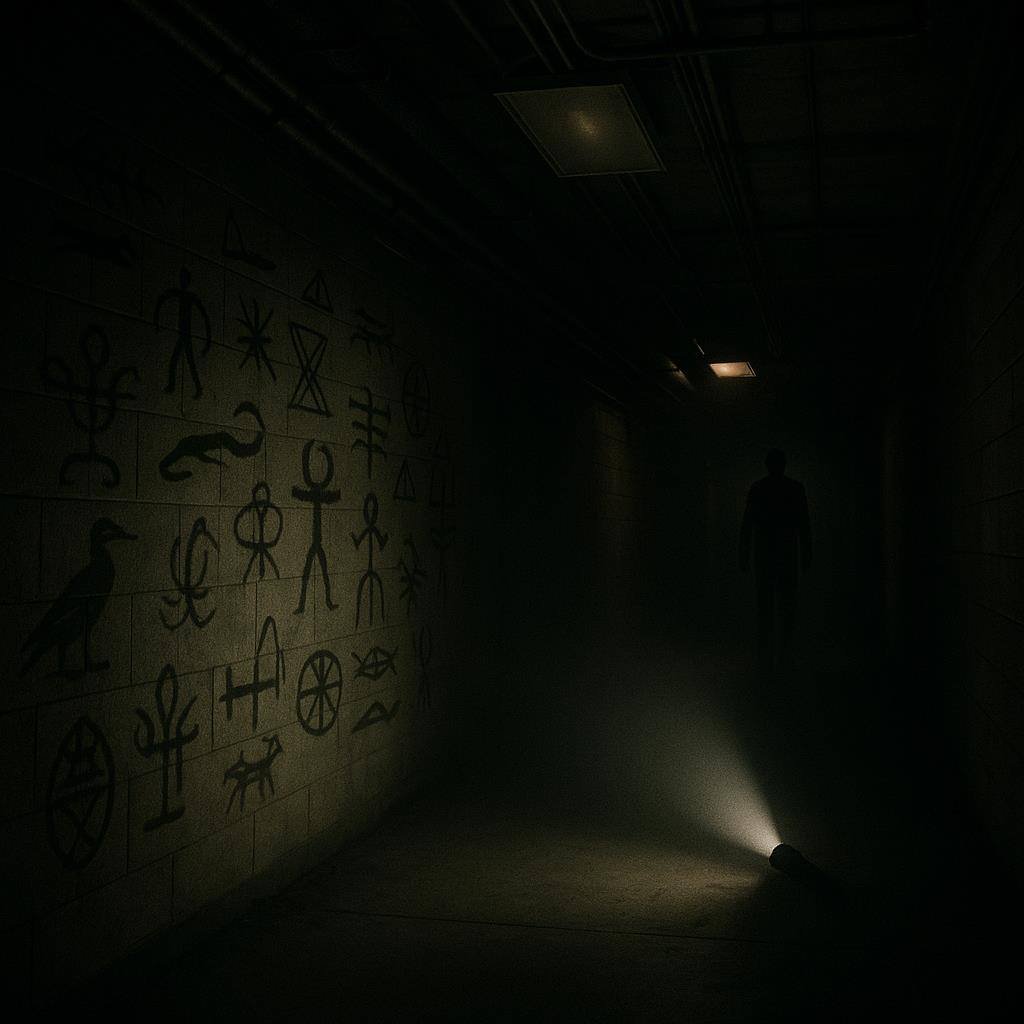
My flashlight flickered as I stepped into the hidden corridor. The air was sharp and cold, thick with the smell of rust and secrets. Every step echoed off the concrete, bouncing back at me like a warning.
I shouldn’t have been there. My badge had never opened this door before. Why tonight?
I heard chanting—soft, rhythmic, not in any language I knew. My heart hammered. I pressed forward, drawn by something I couldn’t explain.
Through a crack in the door, I saw them: figures in black robes, standing around a strange, glowing machine. For a moment, the chanting stopped. I felt eyes on me—cold, invisible, watching.
I ran. I didn’t look back.
The next day, my badge didn’t work. Security said my contract was over. That night, someone searched my apartment.
— Mark R. Jensen, night-shift maintenance, Denver International Airport. Recorded testimony.
Mark recorded those words for me in a diner off Peña Boulevard, his coffee going cold between his hands. Three weeks later, his phone was disconnected. His apartment was empty. No one at the airport would admit he had ever worked there.
I once believed chaos was just a part of life. Now I see it’s the masterpiece of those in power—a weapon forged in secret, wielded through fear.
This book is your invitation to the forbidden truth. If you’re reading these words, you’re no longer just a bystander.
Are you ready to pull back the curtain and face what lies beneath?
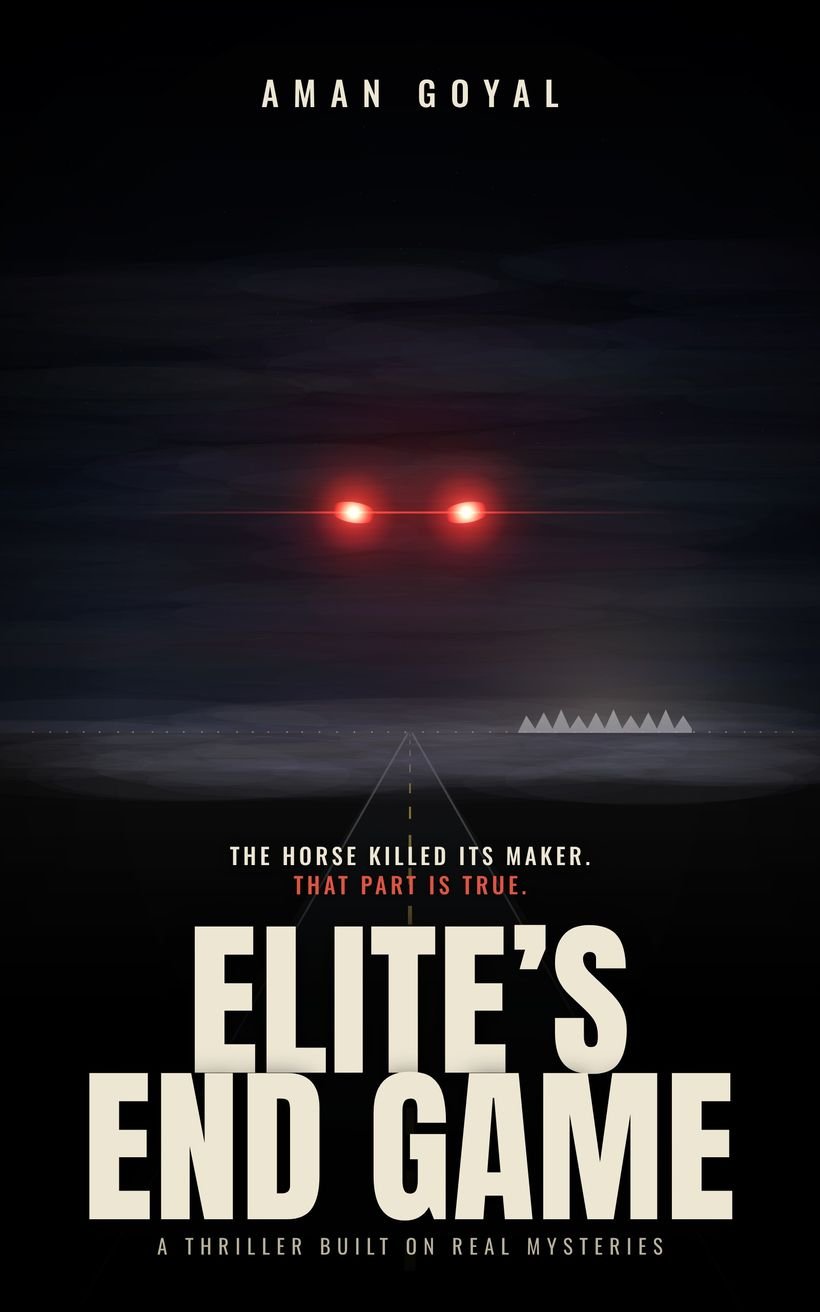
Blucifer: the airport horse that killed its creator
The 1994 stone and the time capsule sealed until 2094
The doors, tunnels and buried buildings beneath Denver airport
The murals: gas masks, coffins and a burning city
The airport that trolls its own conspiracy theorists
The note: “Look for the numbers”
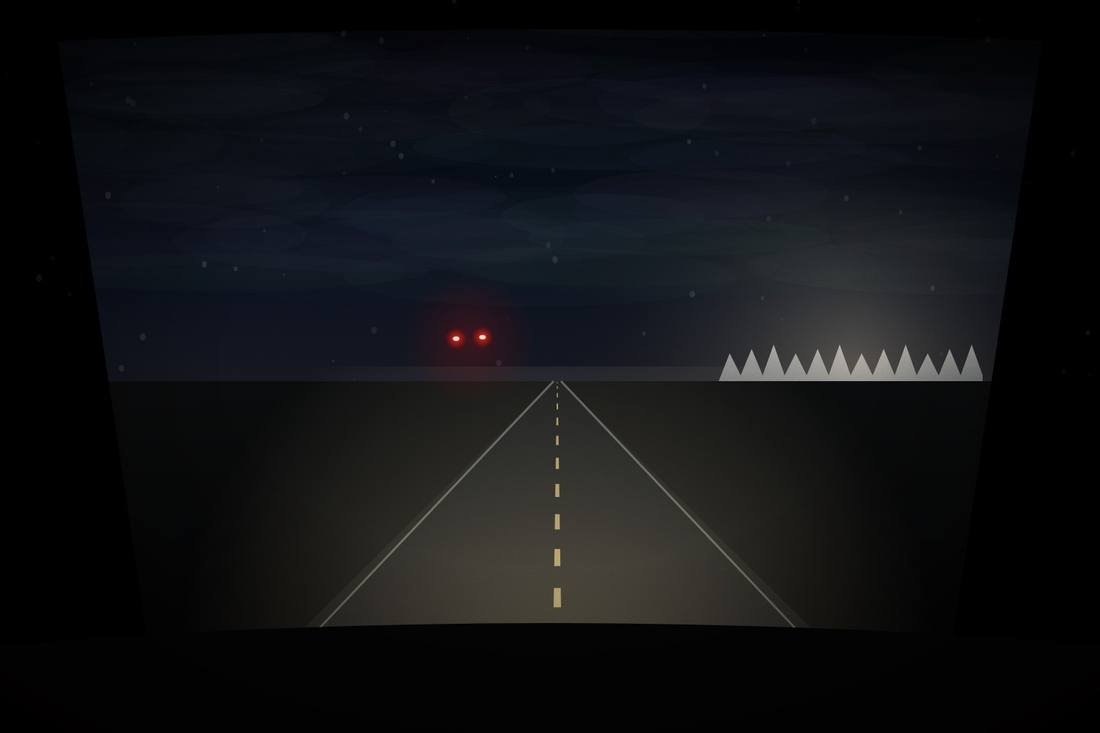
Figure 1.1 Two Red Eyes on Peña Boulevard
I never believed in monsters—until I met Blucifer. The first time I saw that colossal blue horse rearing against the Colorado sky, its eyes blazing red, I felt something shift inside me. It wasn’t just the size of it—thirty-two feet tall, nine thousand pounds of fiberglass and steel—or the way it seemed to glare straight through me. It was the feeling, deep and primal, that I was being warned.
Most travelers at Denver International Airport hurry past, heads down, eager to escape the strange art and the rumors that swirl like the ever-present wind outside. But I couldn’t look away. I stood there, suitcase in hand, transfixed by those burning eyes. I didn’t know it yet, but that moment was the beginning of everything.
Its official name is Blue Mustang. Everyone here calls it Blucifer. The official story is that it’s a tribute to the wild spirit of the West. The unofficial story is the curse. In 2006, while the artist Luis Jiménez was still working on it, a section of the horse broke loose from a hoist in his New Mexico studio, pinned him against a steel beam and severed an artery in his leg. He bled to death beneath his own creation. His family finished the statue, and it was unveiled at the airport two years later. The locals say its eyes glow red even when the airport is empty. I used to laugh at ghost stories. The longer I spent here, the less I laughed.
I remember the first time I noticed the cameras. Not the obvious ones above the security lines, but the hidden ones—tiny black domes tucked into corners, always pointed at the places most people never linger. What are they watching for? Who’s watching us? And why does this airport, of all places, feel like a stage set for something much bigger than delayed flights and lost luggage?
That was the day I started keeping notes. Every odd detail, every rumor, every unexplained corridor. I became obsessed with the idea that there was a pattern here—something connecting the art, the architecture, the endless construction and the whispers about tunnels and secret societies. I could feel it, humming beneath my feet, every time I walked those polished floors.
If you had told me then where those notes would lead—to a vanished man, a drawer full of the missing and a steel door beneath the runways—I might have thrown them away. I didn’t. I kept writing.
Figure 1.2 Behind Closed Doors
Testimony: The Door Beneath
You’ve already read Mark R. Jensen’s words. They open this book. What you didn’t see was how he said them.
Mark never set out to chase conspiracies. For over a decade he worked the night shift at Denver International Airport, fixing what broke and ignoring the rumors that drifted through the break room like ghost stories. When he finally agreed to meet me, he chose a corner booth with his back to the wall. He kept his old badge on the table between us the whole time, face down, as if it might still be listening.
He told me about the corridor, the chanting, the robed figures around the glowing machine. He told me about the badge that stopped working the next morning, and the contract that ended without a reason. When he got to the part about his apartment—drawers pulled out, nothing taken, his notebook moved six inches to the left—his voice dropped to a whisper.
“They didn’t want my things,” he said. “They wanted me to know they’d been there.”
Mark’s account matched things I had been hearing for years—the corridor, the chanting, the feeling of being watched. Until that night, the rumors had been stories told by friends of friends. Now one of them had a face, a badge number and coffee going cold between his hands.
Figure 1.3 Unseen Watchers: The Shadow in the Tunnel
Mark’s story hit me harder than I expected. It wasn’t just the details. It was the fear in his voice, the way he hesitated before every sentence, as if speaking the truth out loud might summon those shadows back into his life. He wasn’t a conspiracy theorist. He was a man who’d seen something he was never meant to see.
And he wasn’t the only one. Over the years I’ve collected whispers from janitors, technicians, even airline staff—each with their own version of the same story: a door that shouldn’t exist, a corridor colder than the rest, a sudden transfer or a badge that stops working the very next day. Some tried to forget. Others left Denver altogether and refused to talk about what they’d witnessed.
I started to wonder whether these stories were connected. I mapped the location of every one of them and compared them with old blueprints and maintenance logs. I found corridors that appeared on old plans but not on new ones and rooms that had been sealed off without explanation. I convinced myself that the security cameras always turned away at just the right moment.
If you think this sounds like paranoia, you may be right. I have asked myself the same question many times. But listen to the next witness first.
Witness Testimony: Michael Harrington, Former Airport Facilities Technician
“I started at Denver International in the summer of 1998, a few years after it opened. I was twenty-six, fresh out of tech school in Colorado Springs, and grateful for a steady job. My work was keeping the electrical systems running, mostly in the older wings of the terminal.
After a few years you know the place inside out—the maintenance tunnels, the utility closets, every quirk of the building. Then, in late 2006, I got called to a service corridor near Concourse B to troubleshoot some power irregularities. Routine job, or so I thought.
There was a door I’d never seen before. Solid steel, keypad, no label. That was unusual—every access point in the airport is logged and labelled. I radioed my supervisor for the code, and he told me flat out: ‘Don’t worry about that one. Mark it inaccessible and move on.’ That didn’t sit right. Our job was to fix whatever was broken, no exceptions.
A week later I saw two men in dark suits heading down that same corridor. No airport uniforms, no visible badges. When I mentioned it, my supervisor got real tense. ‘Focus on your work, Mike. Don’t get involved in things that don’t concern you.’
Not long after that, I was moved to day shifts in a different part of the airport. I never went back to that corridor. Around the same time I started getting calls at home—no caller ID, just silence on the other end. It happened enough that my wife got spooked.
I stuck it out until 2021. I’ve worked at a few airports in my life, and I’ve never seen anything like Denver. There’s stuff going on there most people will never know about. Honestly, I’m not sure anyone’s supposed to.”
The more stories I gathered, the more the boundary between rumor and reality blurred. Mark and Michael weren’t outliers. They were the first cracks in a wall built to keep the rest of us out—and the legends had seeped into every corner of the airport, from the baggage tunnels to the highest offices.
Witness Testimony: “Samantha,” Baggage Handler
“I’ve worked here six years. There’s a door in the train tunnel between Concourses B and C. Everyone with train access gets a key, but we’re told never to open it. Once, I saw a man in a black suit and a gas mask crouched by that door. He looked up, saw me, and disappeared into the shadows. I told a coworker. She just said, ‘Don’t ask questions.’ People talk about a five-story building buried under the airport—covered with soil because it was ‘built wrong.’ I’ve never seen it. But I believe it’s there.”
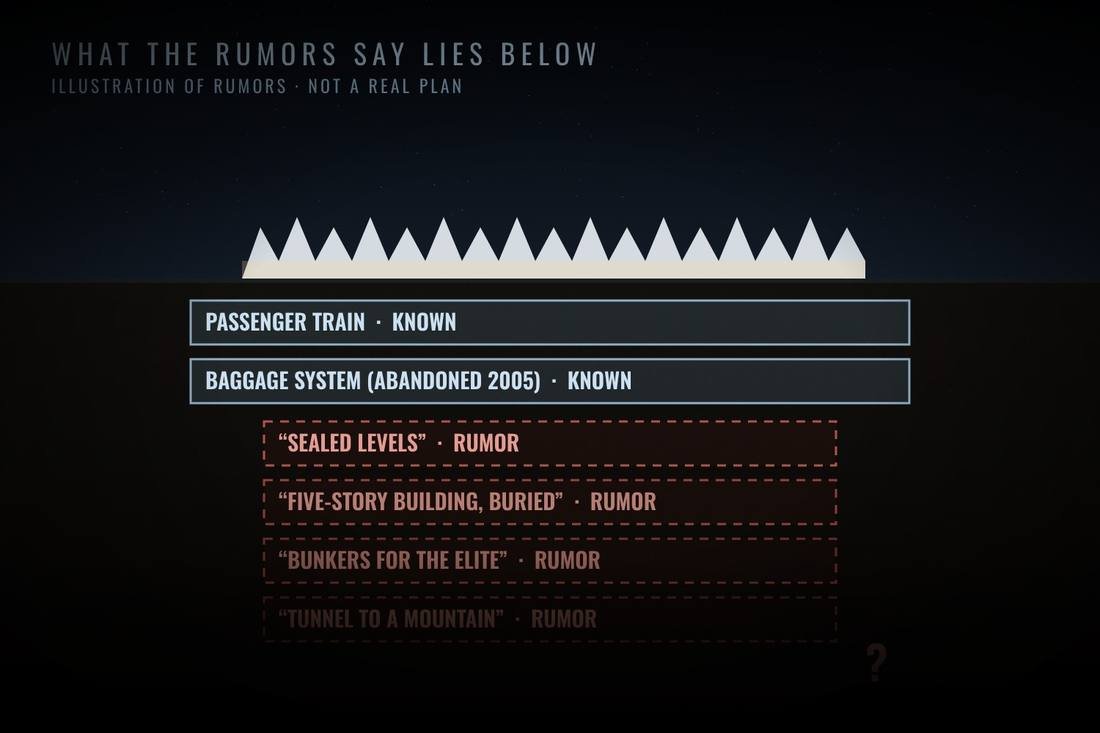
The rumors about the tunnels are the most persistent of all. Some say they stretch for miles, all the way to NORAD’s mountain bunker a hundred miles south. Others claim the underground levels are shelters where billionaires and officials will ride out the apocalypse. There are even stories of something less human lurking down there.
The airport’s official line is simple: the underground levels hold the passenger train, some offices, and the remains of an automated baggage system that failed so badly it became a national joke. During a public test in 1994 it chewed suitcases open and flung clothes across the tracks. The airport opened sixteen months late, and the system was finally scrapped in 2005.
A broken baggage system. That’s the story. And it may be the whole story. But I had seen too many blueprints with missing sections, and heard too many stories like Samantha’s, to stop asking. I also noticed that the people who asked the most questions tended to be the ones who no longer worked there.
What are they really hiding beneath Denver’s runways? And who decides what’s a joke—and what’s a warning?
Figure 1.4 The Buried Citadel: What the Rumors Say Lies Below
Everywhere I turned, I saw signs. The two gargoyles crouched inside open suitcases above baggage claim. The murals swirling with images of war and rebirth. The letters set into the floors. Each one seemed to whisper the same message: nothing here is accidental. At the time, I was sure they weren’t just artistic choices or harmless jokes. I believed they were breadcrumbs, left for anyone willing to question the official story.
But it wasn’t only the symbols that haunted me. It was the way people reacted to them. Some workers laughed the rumors away in the break room. Others went quiet, eyes darting to the corners, as if the walls might be listening. When I pressed, most changed the subject or told me to let it go.
“You don’t want to end up like Mark,” one janitor whispered, glancing up at the camera above us.
Then I met Carlos, a construction worker who’d helped build the airport’s lower levels in the early nineties. His hands trembled as he told me his story, the memory still raw decades later.
Witness Testimony: Carlos, Former Construction Worker
“I was on the crew that poured concrete for the tunnels back in ’94. There were whole sections we were told to seal up—no explanation, just orders from the top. One night a buddy of mine disappeared after talking about a strange room he’d found. His name vanished from the schedule, and nobody mentioned him again. I kept my head down after that. But I’ll never forget the feeling that we were building something meant to stay hidden forever.”
Carlos’s words echoed every testimony I’d gathered: secrets enforced by fear, stories erased as quickly as they appeared. The official narrative insisted there was nothing unusual beneath Denver’s runways. The people who’d been closest to the construction told a different story—buried chambers, vanished workers, and warnings that still hung in the air.
The Stone That Asks a Question
For all the whispers in the dark, some of Denver’s clues don’t hide at all. They’re carved in stone, standing in plain sight, daring you to ask. I found myself drawn again and again to the dedication marker: a slab of granite set into the terminal floor where thousands of travelers pass every day, dated March 19, 1994. It isn’t just a marker. It’s a riddle.
Etched into its surface is the square and compass of the Freemasons. Beneath it are the words “New World Airport Commission.” I searched every public record I could find. No government body by that name has ever existed. The official explanation is that it was a temporary committee of local businesspeople who organized the opening celebrations. A party committee—carved in granite next to a Masonic emblem.
Beneath the stone is a time capsule. It is not to be opened until 2094. What could possibly need to stay sealed for a century?
I’m not the only one who has asked. In January 2010, the former Minnesota governor Jesse Ventura devoted an episode of his television show, Conspiracy Theory, to the airport’s alleged underground bunkers. Suddenly Denver’s secrets weren’t just late-night forum material. Millions of people were asking the same questions I was.
And then there’s Blucifer again—the horse that killed its maker. That part isn’t a rumor. It was reported by every major news outlet in the country, and it only deepened the sense of a curse hanging over this place.
Strangest of all, the airport plays along. In 2016 it opened an exhibit inside the terminal about its own conspiracy theories. In 2018, when the Great Hall went under construction, it covered the barrier walls with posters of gargoyles, aliens and secret tunnels—each one stamped with a punchline like “OR HAVE THEY?!” As if laughing at the mystery would make it disappear.
But the marker is real. The time capsule is real. The accident that killed Blucifer’s creator is real. When journalists, television hosts and ordinary travelers all walk away with more questions than answers, you start to wonder: is something really being hidden here—or does someone simply benefit from the mystery?
The Murals
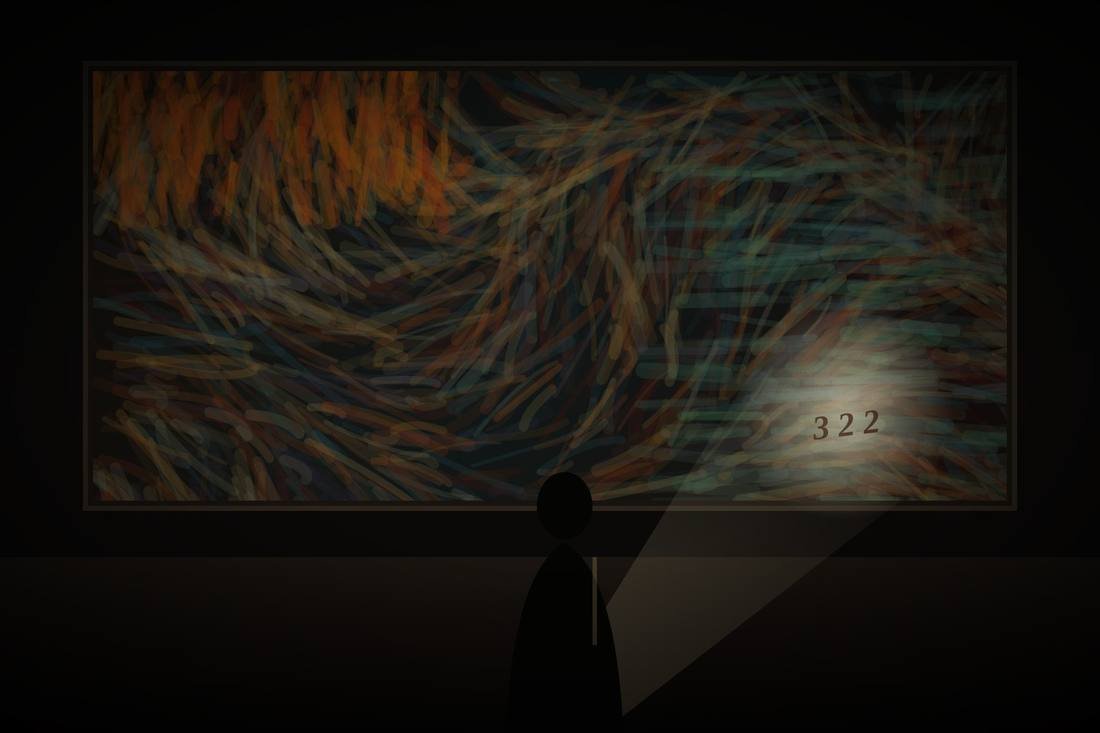
Then there are the murals. Four enormous panels by the artist Leo Tanguma, in two pairs: Children of the World Dream of Peace and In Peace and Harmony with Nature. The artist has always said they’re about peace and protecting the environment. Stand in front of them long enough and that’s not what you see. A soldier in a gas mask, sword raised. Weeping mothers clutching their children. Open coffins. A city in flames.
The longer I studied them, the more I felt their weight pressing down on me. They didn’t feel like art. They felt like messages—warnings, or maybe instructions for those who knew how to read them. In the corner of one panel, I was sure I could make out a sequence of numbers half-hidden in the brushstrokes. I photographed everything, sketched the patterns in my notebook and compared them with symbols from old books about secret societies. At the time, the connections felt undeniable.
I wasn’t the only one who’d noticed. One afternoon I struck up a conversation with a security guard named Marcus, who’d worked at the airport for over a decade. He hesitated at first. Then the stories spilled out.
“You wouldn’t believe how many people come here just to look at the murals,” Marcus told me, his eyes scanning the crowd. “Some stand for hours, just staring. We’ve had people try to chip pieces off, take rubbings, even pray in front of them. But the weirdest thing? Every few months, someone from corporate comes down, usually late at night, and they just… stand there. Sometimes they take notes. Sometimes they talk on the phone in low voices. I asked once what they were doing. They told me to mind my own business. Next shift, I was reassigned to a different terminal.”
The murals weren’t just attracting tourists and conspiracy theorists. They were drawing people with power—people who could change a schedule and erase a question with a single phone call.
What were these murals really for? A warning to the public? A message to insiders? Or exactly what the artist said: a plea for peace? I didn’t know. But I had stopped believing that anything in that airport was just decoration.
Figure 1.5 The Murals’ Secret: Hidden Messages in Denver’s Walls
The Evidence You Can’t Ignore
For those who still think this is all rumor, start with the money. Denver International Airport cost $4.8 billion—nearly $2 billion over budget—and opened sixteen months late. The official explanation is that broken baggage system and years of design changes. But rumors spread fast among the crews: whole structures built, then buried and sealed, never used and never explained.
I tracked down a former project engineer who agreed to talk if I promised him anonymity. His words still echo in my mind.
“We were told to follow the plans, no questions. There were levels we finished, then immediately sealed off. I saw blueprints for a five-story substructure that was never opened to the public. When I asked about it, my supervisor said, ‘You didn’t see that.’ After that my access was restricted. I left before the project was finished. I still have nightmares about what we built down there.”
Back then, I was certain that all of it—the marker, the murals, the tunnels, the sealed rooms—pointed to a single conclusion: that Denver International Airport wasn’t just an airport, but a fortress, a vault, maybe even a meeting place for people who never appear in photographs. I know how that sounds. I’m telling you what I believed, because what I believed is part of this story.
Step back and look at it all together—the billions in overspending, the sealed levels, the murals, the stone with its strange commission—and it is very easy to see a blueprint. It is much harder to tell whether the blueprint is in the airport or in the person looking at it.
Who benefits from a fortress beneath an airport? Who needs a time capsule sealed for a century, or tunnels no one is allowed to map? The answer isn’t just about Denver. It’s about power. It’s about control.
Every time I asked, the answer was the same: a joke, a shrug or silence. But some facts don’t go away. The money was spent. The rooms were built. Some of them were sealed. What was in them, nobody would tell me.
Just when I thought I’d mapped every corridor and decoded every symbol, something happened that changed everything.
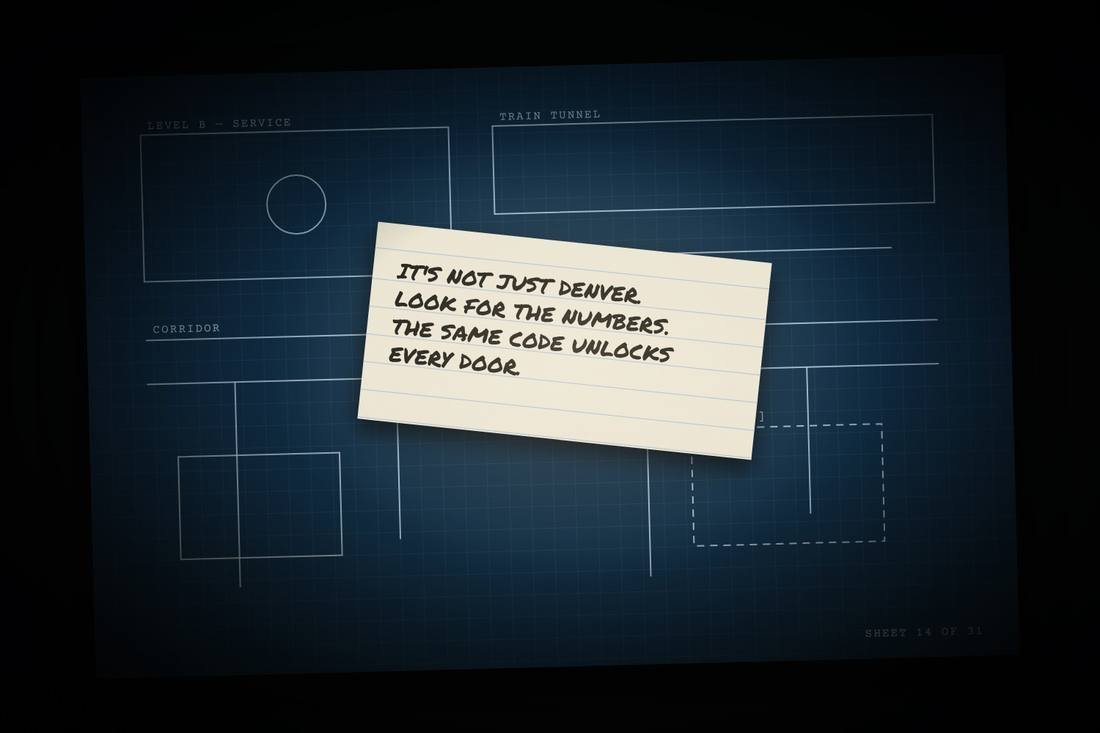
One night, reviewing blueprints in my apartment—blueprints I wasn’t supposed to have—I found a slip of paper wedged between the pages. It wasn’t mine. It carried a single message, scrawled in hurried handwriting.
Figure 1.6 The Slip of Paper in the Blueprints
“It’s not just Denver. Look for the numbers. The same code unlocks every door.”
What’s real in this chapter (8 facts)
Blue Mustang (“Blucifer”) is a 32-foot, roughly 9,000-pound fiberglass horse with glowing red eyes, by the artist Luis Jiménez. In 2006 a section of the sculpture came loose from a hoist in his studio in Hondo, New Mexico, and severed an artery in his leg; he died. His family completed the work, and it was unveiled at Denver International Airport on February 11, 2008.Source: Wikipedia: Blue Mustang
Denver International Airport opened on February 28, 1995, sixteen months behind schedule, at a final cost of about $4.8 billion—nearly $2 billion over budget. Its automated baggage system failed a public test in 1994 and was abandoned in 2005.Source: Wikipedia: Denver International Airport
A dedication marker dated March 19, 1994 bears a Masonic emblem and the words “New World Airport Commission.” It seals a time capsule meant to be opened in 2094. According to Visit Denver, the “commission” was a temporary group that arranged the airport’s opening festivities.Source: Wikipedia: Denver International Airport
Leo Tanguma’s murals Children of the World Dream of Peace and In Peace and Harmony with Nature hang in the airport. The artist says their themes are peace and protecting nature.Source: Wikipedia: Denver International Airport
The airport says its underground levels hold the passenger train, offices and the old baggage system, and that the tunnels run less than two miles, to the airport’s edge.Source: Wikipedia: Denver International Airport
Jesse Ventura’s TV series Conspiracy Theory featured the airport’s rumored bunkers in the episode “Apocalypse 2012,” first aired on January 13, 2010.Source: Wikipedia: Conspiracy Theory with Jesse Ventura
The airport installed an exhibit about its conspiracy theories in 2016, and in 2018 ran a construction-wall poster campaign joking about tunnels, gargoyles and aliens.Source: Wikipedia: Denver International Airport
The narrator, Mark R. Jensen, Michael Harrington, “Samantha,” Carlos, Marcus, the anonymous engineer, the slip of paper and the sealed corridors are fiction.
Lena’s cornerstone: the number she was told not to ask about
322: the number on Skull and Bones’ emblem
The Eye on the dollar bill—and what the Latin really says
The novel that sank the Titanic fourteen years early
The cartoon that “predicted” a president
The Illuminati card game—and the real government raid
The tablet in a 1968 movie, and the film that rehearsed a pandemic
The law of truly large numbers
My last phone call with Mark
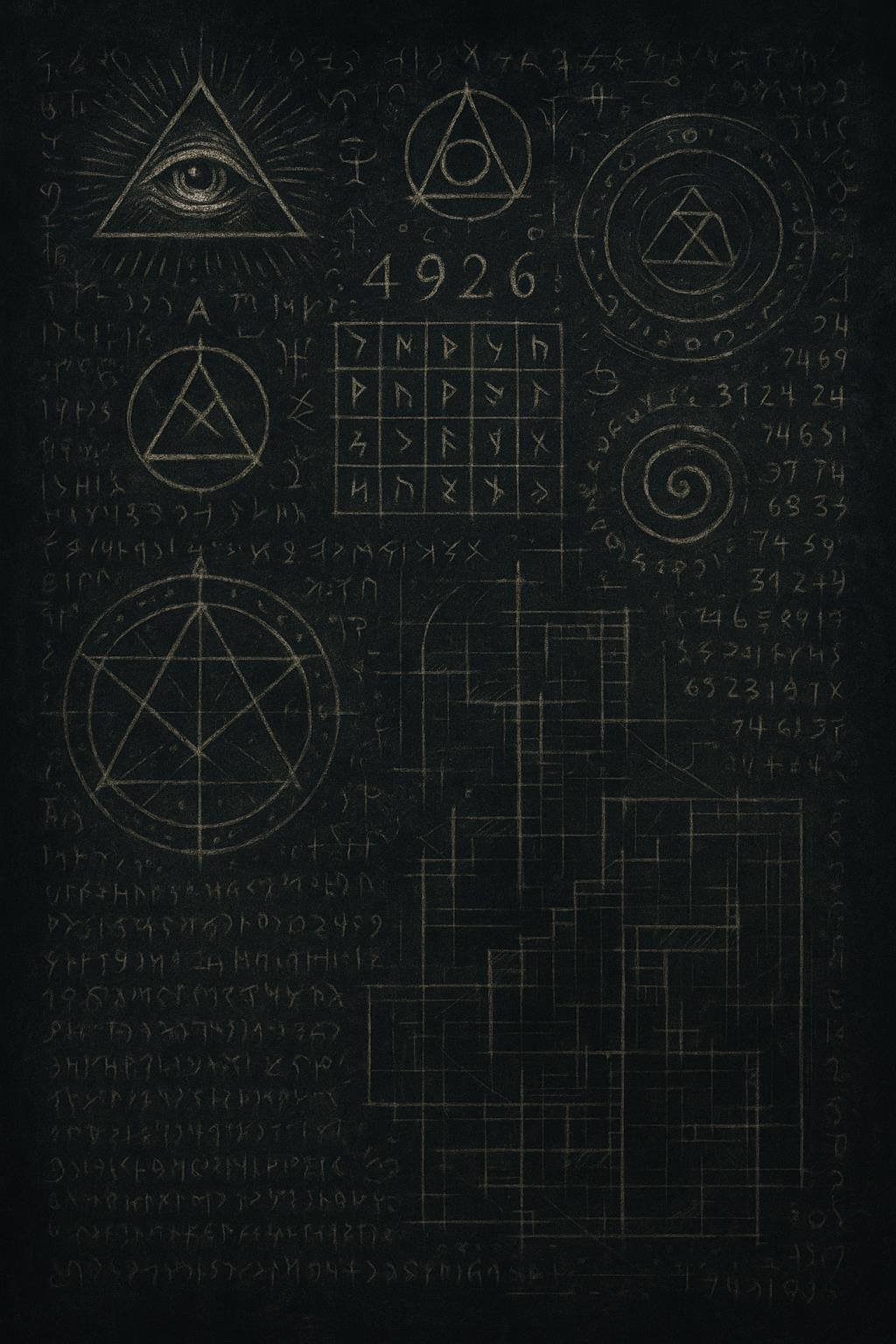
Figure 2.1 Blueprints of Control: The Hidden Language of Power
I taped the slip of paper to the wall above my desk, where I would see it every morning.
It’s not just Denver. Look for the numbers. The same code unlocks every door.
Look for the numbers. Which numbers? I had no idea. So, like an idiot, I looked for all of them. Dates on cornerstones. Codes on maintenance doors. Serial numbers on the airport’s blueprints. I filled half a notebook with digits that meant nothing, and I began to understand why Mark had looked so tired.
Then, eleven days after the diner, an email arrived from a reader of my blog. She had been reading my posts about the airport for two years without ever commenting. She was an architect. She thought she knew which number Mark meant. Would I meet her—somewhere public, and please, not near the airport?
Witness Testimony: Lena, Architect
We met in a coffee shop near Union Station. She chose a table by the window, with her back to the wall, the way Mark had. She had worked on government buildings in three states, and she had brought a photograph.
Figure 2.2 Echoes of Power: Symbols in Stone
“It was a cornerstone on a federal building I worked on years ago. Everybody looks at the date carved into the front. Nobody looks at the side. Down near the ground, small, there were three numbers: 322. I thought it was a mason’s mark, or a project code.
“Then I saw it again on a permit for a building in another state. Then on a set of plans for a basement level that was later removed from the drawings. When I asked about it, my supervisor told me not to worry about it. I took the hint. In my business, you learn which questions end careers.
“I’ll tell you what I tell myself. Maybe it’s nothing. Maybe it’s some old surveyor’s joke. That’s what keeps me up at night—not that it means something, but that I’ll never know.”
She slid the photograph across the table and left it there. When she was gone, I took out my notebook, turned to a fresh page and wrote three digits at the top. Under them, I wrote: cornerstone, federal building, side, near ground.
It was the first entry on a list that would take over my life.
322
It took me about ten minutes online to find the most famous place those three digits appear.
In 1832, a Yale student named William Huntington Russell founded a secret society that would become the most famous in America: Skull and Bones. Every year it chooses fifteen seniors. They meet in a windowless stone building on the Yale campus that members call “the tomb.” Its emblem is a skull and crossed bones—and beneath the jaw, the number 322.
Figure 2.3 322: The Silent Thread
Its members have included three American presidents: William Howard Taft, George H. W. Bush and George W. Bush. In 2004, both major candidates for president—George W. Bush and John Kerry—were Bonesmen. When the host of Meet the Press asked each of them about the society, both declined to say anything about it.
The most common explanation for the number is that it refers to 322 BCE, the year the Greek orator Demosthenes died. Another story says it means the society was founded in ’32 as the second chapter of an older German group. The society has never explained it, which is exactly what you would expect a secret society to do. It is also exactly what would make a person like me start writing 322 in a notebook.
Within a week, the page in my notebook had eleven entries.
The Eye on the Dollar
The second symbol was even easier to find. It was in my wallet.
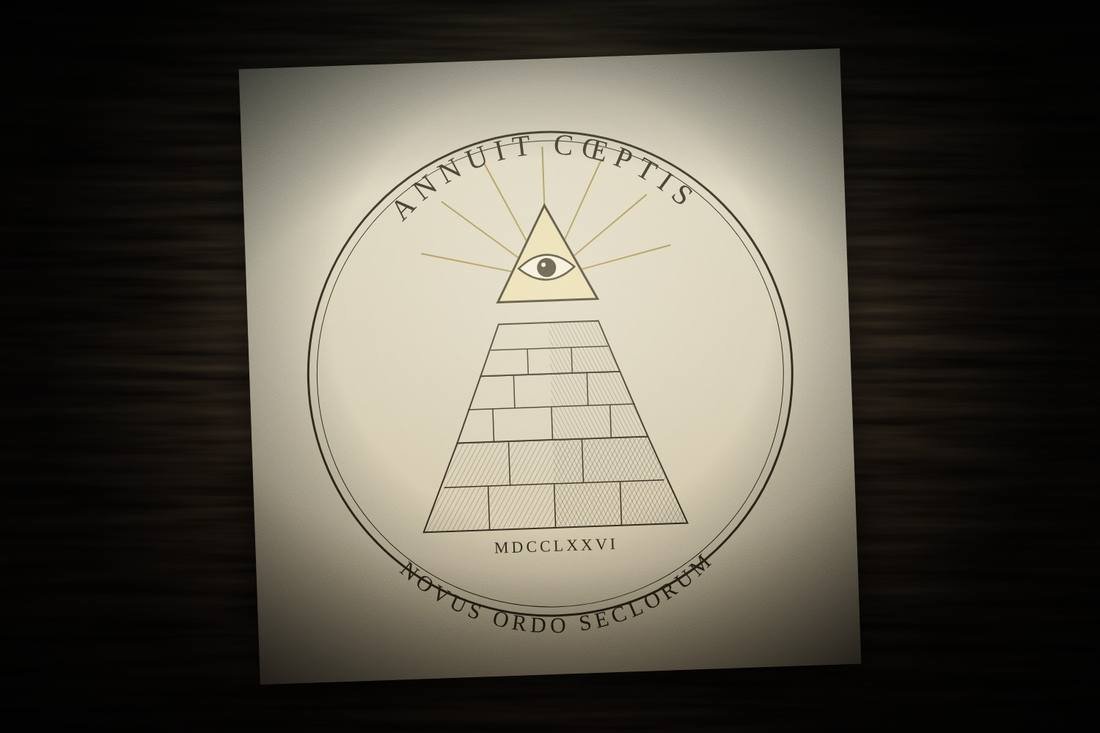
Turn over an American one-dollar bill and you will see an unfinished pyramid, topped by a glowing triangle with a single eye inside it. It is called the Eye of Providence. For centuries before any modern conspiracy, painters used it to show God watching over humanity. In 1782, it was placed on the reverse of the Great Seal of the United States. Since 1935, when Secretary of Agriculture Henry Wallace persuaded President Franklin Roosevelt to print both sides of the seal on the dollar, it has been in hundreds of millions of wallets.
Figure 2.4 The Eye and the Unfinished Pyramid
Many people believe the eye is a Freemason symbol, smuggled onto America’s money. The history runs the other way: the Masons began using the all-seeing eye widely only after the seal was adopted. Beneath the pyramid are the words Novus Ordo Seclorum. They are often translated online as “New World Order.” They actually mean “a new order of the ages”—a line inspired by the Roman poet Virgil, about a new era beginning in 1776.
But I noticed something else. On the granite stone in the floor of Denver’s airport, beside a Masonic emblem, are the words New World Airport Commission. A new world. A new order. I knew the Latin didn’t mean what the internet said it meant. I wrote it in my notebook anyway.
The Ship That Sank Fourteen Years Early
If the codes were in money and stone, I wondered whether they were in stories too. That was when I found Morgan Robertson.
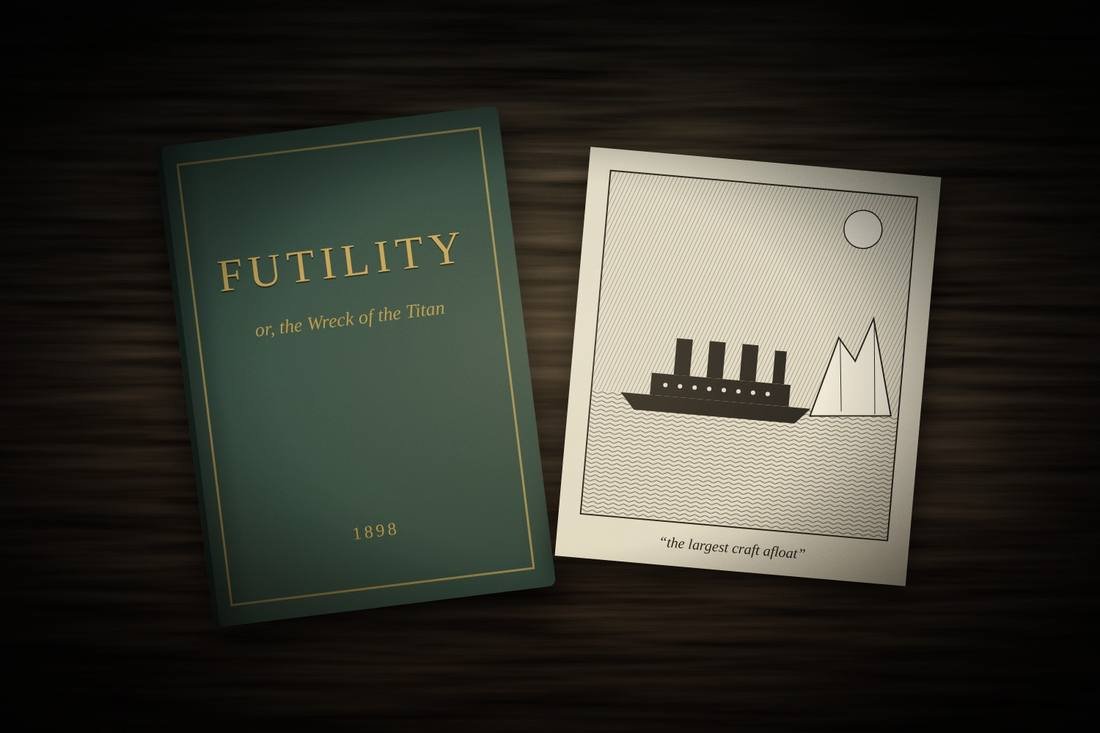
In 1898, Robertson, a former sailor turned writer, published a short novel called Futility. It tells the story of the Titan, the largest ship ever built, a floating palace that everyone calls unsinkable. It carries far too few lifeboats for its passengers. On a cold April night in the North Atlantic, it strikes an iceberg and sinks, and most of the people aboard are lost.
Fourteen years later, in April 1912, the Titanic—the largest ship in the world, called unsinkable, carrying too few lifeboats—struck an iceberg in the North Atlantic and sank.
Figure 2.5 Futility, 1898
Robertson himself once said his ideas came to him in a strange, half-asleep state, as if someone else were writing. Historians have a plainer explanation. He knew ships. Shipbuilders of his day were racing to build bigger liners. Icebergs were a well-known danger on the spring crossing. And the lifeboat rules of the time were based on a ship’s weight, not on how many people it carried, so giant liners really did carry too few boats. Robertson didn’t see the future. He looked very carefully at the present.
That explanation is probably right. But it didn’t stop the hair on my arms from standing up.
The Cartoon That Knew
In 2000, the animated series The Simpsons aired an episode set in the future, in which Lisa Simpson has become president. In one line, she mentions that she inherited “quite a budget crunch from President Trump.” Sixteen years later, Donald Trump was elected. In a 1997 episode, a character holds up a travel brochure for New York with a big “$9” printed beside the Twin Towers, so that together they seem to spell out 9/11.
People have been passing these clips around for years as proof that someone knew. The writer of the 2000 episode, Dan Greaney, has said the Trump line was meant as “a warning to America”—a joke about the most absurd thing he could imagine happening. And there is a simpler reason the show seems to see the future: it has been on the air since 1989 and has made more than 750 episodes, packed with jokes about celebrities, politics and disasters. If you throw that many darts, some of them hit the board.
Figure 2.6 The Cartoon That “Predicted” the Future
The Card Game and the Raid
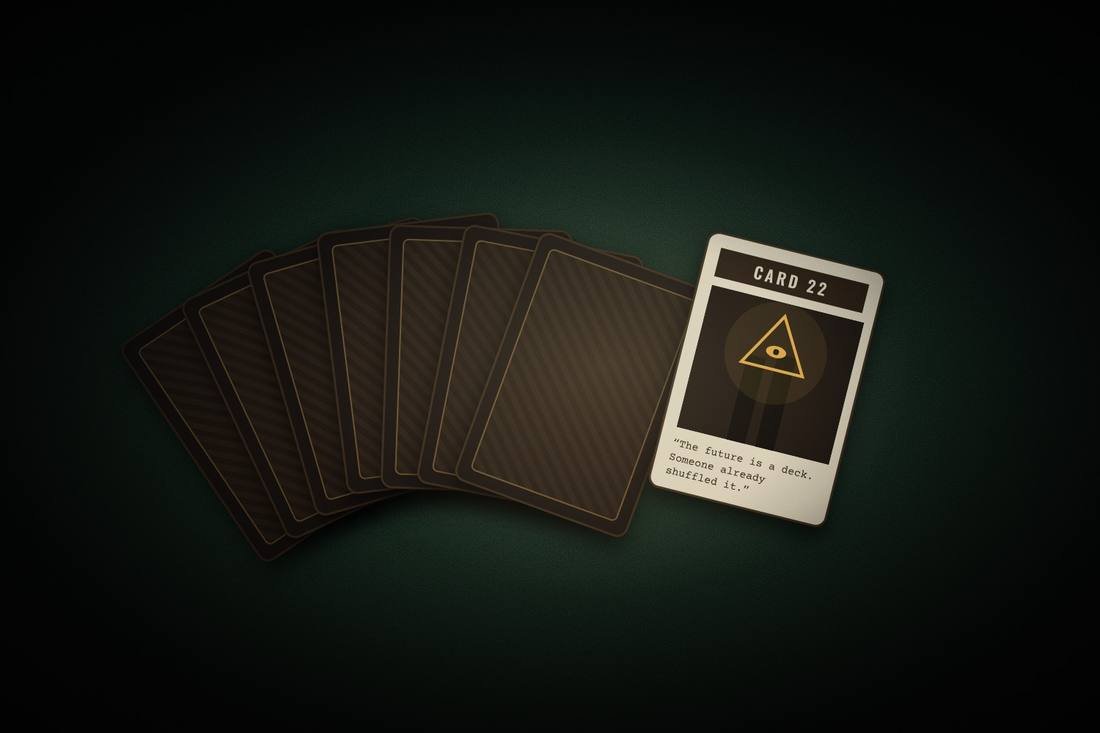
Then there was the card game. In the 1990s, a company in Austin, Texas, called Steve Jackson Games released a collectible card game called Illuminati: New World Order, in which players control secret societies trying to take over the world. Among its hundreds of cards were one called “Terrorist Nuke,” showing a tall tower erupting in flame, and one called “Pentagon,” showing the building on fire. After September 11, 2001, people dug those cards out of old boxes and passed them around in silence.
Figure 2.7 The Card Game That “Saw” the Future
Here is the part almost nobody mentions. Years before that game came out, on March 1, 1990, the U.S. Secret Service really did raid Steve Jackson Games. Agents seized the company’s computers and the manuscript of a game it was about to publish. The raid had nothing to do with secret societies. Agents were hunting for a stolen telephone-company document that had been posted on a computer bulletin board run by one of the company’s employees. The company’s own online bulletin board—named after an earlier version of its game—was called Illuminati.
The company was never charged with anything. In 1993, a federal judge ruled that the Secret Service had broken the law, called its warrant sloppy and awarded the company damages and legal fees. The case helped inspire the founding of the Electronic Frontier Foundation, one of the first groups to defend people’s rights online.
So the company that made the Illuminati game really was raided by the government. Just not for any reason a conspiracy theorist would have guessed. I was starting to learn that the truth is usually stranger than the theory—and almost always more boring.
The Tablet in 1968
The list of “predictions” goes on. In Stanley Kubrick’s 1968 film 2001: A Space Odyssey, two astronauts eat lunch while watching the news on flat, thin screens. In 2011, when Apple sued Samsung over the design of its tablets, Samsung’s lawyers pointed to that scene to argue that the idea had existed decades before the iPad.
In 2011, the film Contagion showed a new virus jumping from bats, spreading around the world by airplane and forcing cities into lockdown. Nine years later, much of the world was living through something that looked eerily similar. But the filmmakers had hired a real virus hunter, Columbia University’s Ian Lipkin, as their scientific adviser. He helped design a believable virus and checked how it would spread along real air routes. Contagion didn’t prophesy the future. It did its homework.
The Law of Truly Large Numbers
Late one night, deep in a library database, I found a paper written in 1989 by two statisticians, Persi Diaconis and Frederick Mosteller. They had studied coincidences—the kind that make the hair on your arms stand up—and they had summed up their findings in a single sentence.
“With a large enough sample, any outrageous thing is likely to happen.”
There are eight billion people on Earth, and every one of us sees thousands of numbers, symbols and stories every day. Somewhere, every day, someone notices a coincidence so perfect that it feels like a message. That doesn’t mean there are no messages. It means a message has to be more than a coincidence.
I copied that sentence into my notebook. I underlined it twice.
Then I turned back to my page of 322s and added two more.
The Last Call
Twenty days after the diner, I called Mark. I wanted to tell him about Lena’s cornerstone and the number on the skull, and ask whether that was what he had meant.
He picked up on the first ring, but he didn’t say hello. I could hear wind, and traffic, as if he were standing outside somewhere.
I started to explain. He cut me off.
“Not on the phone,” he said. “Never on the phone. You understand? Write it down. Paper.”
Then he hung up. I sat there with the dead phone in my hand, feeling foolish, and a little afraid, and not at all sure which of those feelings was the right one.
It was the last time I ever heard his voice.
Turn the page. The next chapter is about what happens to the people who speak out—and why some stories are silenced forever.
What’s real in this chapter (7 facts)
Skull and Bones was founded at Yale in 1832 by William Huntington Russell; it taps 15 seniors each year and meets in a building known as “the tomb.” Its emblem carries the number 322, commonly said to refer to the death of Demosthenes in 322 BCE. Members have included Presidents William Howard Taft, George H. W. Bush and George W. Bush. In 2004, both George W. Bush and John Kerry were members and both declined to discuss it when asked by Meet the Press host Tim Russert.Source: NBC News
The Eye of Providence appears on the reverse of the Great Seal of the United States (adopted 1782); Freemasons adopted the all-seeing eye as a symbol widely only later. Novus Ordo Seclorum means “a new order of the ages.” Henry A. Wallace and Franklin D. Roosevelt had both sides of the seal placed on the one-dollar bill in 1935.Source: GreatSeal.com
Morgan Robertson’s novel Futility (1898) describes the Titan, an “unsinkable” liner with too few lifeboats that strikes an iceberg in the North Atlantic in April. The Titanic sank after striking an iceberg on April 15, 1912. At the time, British lifeboat requirements were based on a ship’s tonnage.Source: Mental Floss
The Simpsons episode “Bart to the Future” (2000) mentions a “President Trump”; writer Dan Greaney later called the joke “a warning to America.” The 1997 episode “The City of New York vs. Homer Simpson” shows a “New York $9” brochure beside the Twin Towers. The series began in 1989 and has aired more than 750 episodes.Source: The A.V. Club
Illuminati: New World Order was a 1990s collectible card game by Steve Jackson Games of Austin, Texas; its cards included “Terrorist Nuke” and “Pentagon.” On March 1, 1990, the Secret Service raided Steve Jackson Games in connection with a BellSouth 911 document posted on a bulletin board run by an employee, who also moderated the company’s “Illuminati” BBS; agents seized computers and the GURPS Cyberpunk manuscript. In 1993 a federal court ruled for the company, awarding $50,000 in damages and $250,000 in attorney’s fees. The case helped inspire the founding of the Electronic Frontier Foundation.Source: Wikipedia: Steve Jackson Games
Samsung cited 2001: A Space Odyssey (1968) in its 2011 legal defense against Apple. Contagion (2011) depicted a bat-origin pandemic; Columbia University epidemiologist W. Ian Lipkin served as the film’s technical adviser.Source: Wikipedia: Apple v. Samsung · Columbia University
Persi Diaconis and Frederick Mosteller, “Methods for Studying Coincidences,” Journal of the American Statistical Association (1989): “With a large enough sample, any outrageous thing is likely to happen.”Source: Diaconis & Mosteller (1989)
Lena, her cornerstone and the narrator’s last phone call with Mark are fiction.
Keep reading
Chapter 3, Silenced Forever: Karen Silkwood, the Pentagon Papers, Serpico, Hammarskjöld, Litvinenko and Snowden. Then the vanishings, the bunkers, the surveillance web, and the twelve pages from the round table.
At the back of the book, a section called What’s Real lists the 100 facts the story is built on. Point your phone’s camera at the code beside each one and check it yourself.
The narrator, the witnesses and their testimonies are fiction, and the book tells you exactly which parts. Here is the first fact in the list.
Chapter 1
Blue Mustang (“Blucifer”) is a 32-foot, roughly 9,000-pound fiberglass horse with glowing red eyes, by the artist Luis Jiménez. In 2006 a section of the sculpture came loose from a hoist in his studio in Hondo, New Mexico, and severed an artery in his leg; he died. His family completed the work, and it was unveiled at Denver International Airport on February 11, 2008.
1Blucifer Unmasked: Denver’s Deepest Secret Goes ViralFree · read nowThe infamous statue and the airport’s hidden agenda finally exposed.Inside: Blucifer · the 2094 time capsule · secret tunnels · the murals
2Power Codes: The Elite’s Hidden Cheat SheetFree · read nowSecret blueprints and symbols that control your reality.Inside: 322 · the Eye on the dollar · the novel that sank the Titanic early · the Simpsons “predictions” · the Illuminati card game and the real raid
3Silenced Forever: The Stories They Wiped from History Full bookWhistleblowers, missing witnesses, and the price of knowing too much.Inside: Karen Silkwood · the Pentagon Papers · Serpico · Hammarskjöld · Litvinenko · Snowden
4Reality Glitch: The Puppetmasters’ Ultimate Hack Full bookHow your world is scripted, manipulated, and rewritten behind the scenes.Inside: The Mandela Effect · Stalin’s doctored photos · the Gulf of Tonkin · Northwoods · MKUltra
5Fear Pandemic: How They Engineered Global Panic Full bookThe real story behind viral scares and manufactured chaos.Inside: War of the Worlds · the laughter epidemic · Petrov · the Satanic Panic · Y2K · Momo
6Forbidden Archives: Giants, Aliens & Banned Inventions Full bookThe lost history and technology they never wanted you to find.Inside: Roswell · Area 51 · Tesla’s trunks · Paperclip · the Antikythera mechanism · the Wow! signal
7Lost and Never Found: The Vanishings No One Can Explain Full bookShips, planes and people that disappeared—and the questions they left behind.Inside: Dyatlov Pass · the Mary Celeste · Roanoke · Flight 19 · D. B. Cooper · MH370
8Shadow Banned: Secrets They Scrubbed from the Internet Full bookCensored files, deleted videos, and digital cover-ups.Inside: The vanishing web · MySpace’s lost songs · the Streisand effect · Tiananmen · Cicada 3301 · the dead internet
9Red Alert: The Endgame They Never Wanted Leaked Read a hintThe master plan revealed—who wins, who loses, and why.Inside: The Greenbrier · Cheyenne Mountain · the Georgia Guidestones · the Doomsday Vault · billionaire bunkers · Bohemian Grove · the door opens
10Breakout Sequence: Escaping the Matrix Full bookHacks, loopholes, and the tools to break free from control.Inside: Why you see 322 everywhere · the Face on Mars · how fact-checkers think · fake photos and deepfakes · the night the world didn’t end · Clever Hans
11Eyes Everywhere: The Surveillance Web Exposed Read a hintHow you’re watched, tracked, and profiled—online and off.Inside: PRISM · the fitness app that mapped secret bases · 50 billion dots · data brokers · the man on the bicycle · Clearview AI · Pegasus · the face at the gate
AThe Suppressed Files You Weren’t Meant to See Read a hintMark’s notes, the fear calendar and the twelve pages from the round table.Inside: The note in the blueprints · the postcard · the fear calendar · Mark’s rules · the packet · page 13
Locked files
Three hints from the rest of the book
Lines from Chapter 9, Chapter 11 and the Appendix. The black bars hide what would give the ending away.
You pay on a secure checkout page. The download link is emailed to you right after payment.
Questions
Before you buy
Is this a true story?
It is a thriller. The narrator, Mark and the other witnesses are invented, and so is what they find. The places, events and records they run into are real, and the What’s Real section at the end lists each fact with its source so you can tell the two apart.
What format is the eBook?
A PDF of 191 pages with all 75 illustrations. It opens on any phone, tablet or computer. To read it on a Kindle, send the PDF to your Kindle with Amazon’s Send to Kindle.
How do I get the book after paying?
The checkout page emails you a download link as soon as the payment goes through. Keep that email: you can download the book again from the same link.
Can I read some of it first?
Yes. The prologue and the first two chapters are on this page, complete and free. Start reading.